Lipreading and Speechreading Classes in Florida
Lipreading (speechreading) is a skill anyone can learn, and the best time to learn it is before you need it. Here is what it is, how classes work, and where Floridians find them through HLAA-FL chapters, colleges and online.
What is lipreading?
Lipreading, more accurately called speechreading, is understanding speech by watching the speaker's mouth, face, gestures and body language, and combining that with whatever you hear and with the context of the conversation. Nobody reads lips alone; many English sounds look identical on the lips (p, b and m, for example), so speechreaders fill gaps with hearing, expression and educated guessing. With practice, that guessing becomes fast and accurate.
HLAA-FL's Treasure Coast chapter, which has run lipreading orientations for years, puts it this way: learn it now, while you can still hear the instructor, because it gets harder to learn once you cannot. People who speechread report better understanding in noisy places, less stress and fatigue, more confidence in groups and, for working people, an edge in the workplace.
How lipreading classes work
A typical class runs weekly for six to twelve weeks, in person or on Zoom, with an instructor who is often a speech-language pathologist, audiologist or trained lipreading teacher, and frequently someone with hearing loss. Classes are small so everyone gets practice. You will learn the visible speech sounds (visemes) and which ones look alike, practice with words, sentences and stories, drill common phrases you hear at the pharmacy, the bank and the doctor, and learn communication strategies such as positioning yourself with light on the speaker's face and asking people to rephrase instead of repeat.
- Orientation sessions: a single meeting that explains why and how to learn, often free through an HLAA-FL chapter.
- Structured courses: multi-week classes with homework, sometimes through community colleges, senior centers or audiology practices.
- Online self-study: free video exercises you can do at your own pace, plus paid live classes over Zoom.
- Practice partners: many people pair up with a friend or chapter member to drill daily.
Where to find lipreading classes in Florida
HLAA-FL chapters
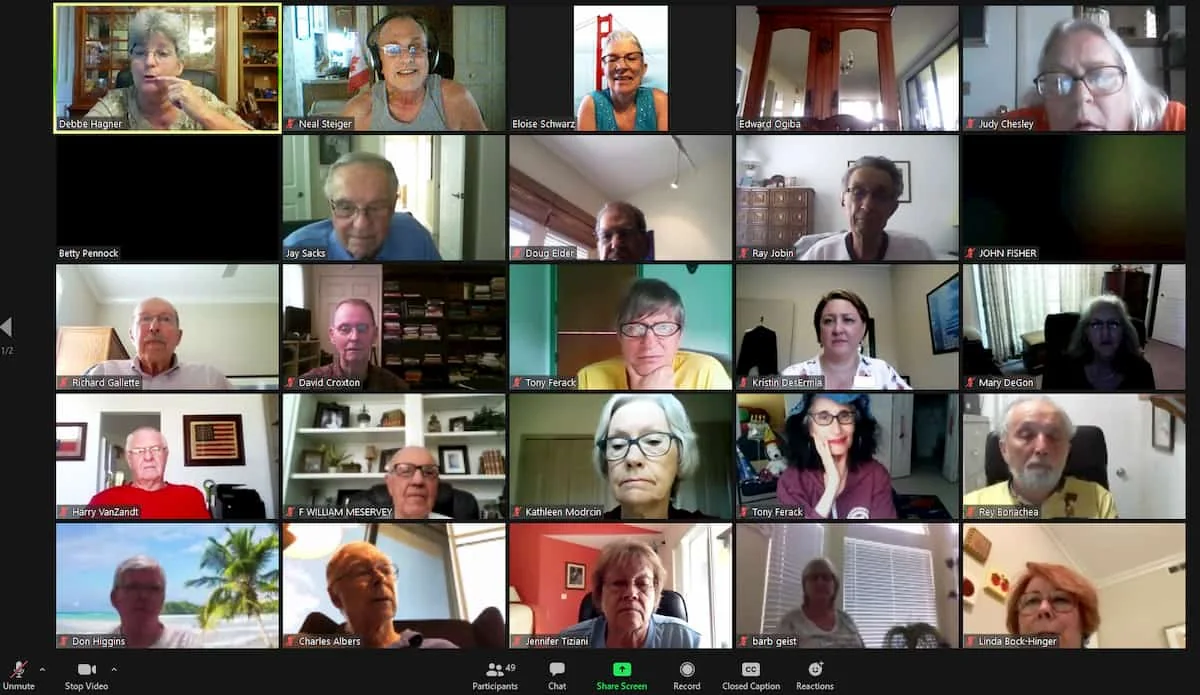
Chapters are the most reliable route. The Treasure Coast chapter has hosted Orientation to Lip Reading sessions on Zoom, and other chapters bring in instructors or run practice groups when there is enough interest. Check the events calendar, or contact your nearest chapter and ask; if enough members want a class, chapters can arrange one.
Colleges, senior centers and clinics
Some Florida state colleges, adult education programs, senior centers and university speech and hearing clinics offer speechreading or aural rehabilitation classes, often for a small fee. Search your county's adult education catalog for speechreading, lipreading or aural rehabilitation, and ask your audiologist whether their practice or a nearby university clinic runs a group.
Online
- Lipreading Practice (lipreadingpractice.co.uk): free video clips and written exercises from beginner to developing lipreader.
- Hearing Loss LIVE: paid live Zoom classes and recorded courses taught by instructors with hearing loss.
- lipreading.org: a subscription course with adaptive lessons and webcam practice.
Lipreading Practice (free) · Hearing Loss LIVE lipreading classes · Florida events calendar
HLAA-FL does not endorse commercial courses. Listings are for information only.
Speechreading tips you can use today
- Put the light on the speaker's face, not behind them. Sit with your back to the window.
- Ask people to face you, slow down slightly and not shout; shouting distorts lip shapes.
- Ask them to rephrase, not repeat. A different sentence gives you new clues.
- Learn the topic first. Knowing the subject makes ambiguous words obvious.
- Pair speechreading with technology: hearing aids with a telecoil, a captioning app, or a pocket talker.
- Practice on captioned TV with the sound low, then check yourself against the captions.
Lipreading questions
Are there lip reading classes near me in Florida?
The surest route is your nearest HLAA-FL chapter, which can host an orientation or arrange a multi-week class when members ask. The Treasure Coast chapter has run Orientation to Lip Reading sessions on Zoom, open to anyone in Florida. Also check county adult education catalogs, senior centers and university speech and hearing clinics for speechreading or aural rehabilitation classes, and use free online exercises between sessions.
How long does it take to learn lipreading?
Most classes run six to twelve weekly sessions, and people notice improvement within the first few weeks, especially in familiar situations. Becoming a confident speechreader takes months of daily practice, and skill keeps growing for years. Learning is faster while you still have some hearing to pair with what you see, which is why instructors urge people to start early.
Can you understand everything by lipreading?
No. Many English sounds look the same on the lips, so even expert speechreaders catch only part of the words by sight and fill in the rest with residual hearing, context and facial expression. Speechreading is a strategy that works alongside hearing aids, cochlear implants, captioning and good lighting, not a replacement for them.
Is lipreading the same as sign language?
No. Lipreading is understanding spoken English by watching the speaker; sign language such as ASL is a separate language with its own grammar. Most people who lose hearing as adults speechread and use technology rather than learn ASL, though some learn both. HLAA-FL serves people who communicate in spoken language with hearing loss.
Want a class in your area?
Tell us where you are and we will connect you with the nearest chapter or help start a group.