Hearing Loss and Mental Health
Hearing loss is exhausting and isolating in ways people who hear do not see. If you have pulled back from friends, dread the phone, or feel low more days than not, you are not weak and you are not alone. Here is what helps, and how to reach the 988 Lifeline by text, chat or videophone.
If you are in crisis right now
The 988 Suicide and Crisis Lifeline is free, confidential and available 24 hours a day. You do not have to use your voice.
- Text: send any message to 988 to start a text conversation.
- Chat: go to chat.988lifeline.org.
- Videophone (ASL): call 988 from a videophone number.
- TTY: use your preferred relay service, or dial 711 then 988.
- Spanish: text and chat are available in Spanish at 988lifeline.org/es.
Source: 988 Lifeline: Deaf, hard of hearing and hearing loss
Why hearing loss wears on mental health
Following conversation with hearing loss takes constant effort: piecing together half-heard words, watching faces, guessing, asking again. By evening you are drained, and over time the easiest solution is to stop going. Dinners get skipped, calls go unanswered, and the world gets smaller. Family members may not notice, because from the outside you are simply quieter.
That withdrawal is where the damage happens. Isolation, listening fatigue, frustration and grief for the ease you used to have are common and understandable. Untreated hearing loss has also been linked in research to higher rates of depression and cognitive decline, which is one more reason to treat it. None of this means something is wrong with you; it means you are carrying a load others cannot see.
What helps
- Treat the hearing loss: well-fitted hearing aids or a cochlear implant, a telecoil for loops, captioned phones and captioning apps reduce the daily effort that drives fatigue.
- Tell people what you need: face me, one at a time, rephrase rather than repeat. Most friends will do it once they know.
- Pick the places: quiet restaurants, well-lit rooms, seats with your back to the wall. Leave loud places without apology.
- Learn speechreading and communication strategies; competence brings confidence back.
- Talk to someone who gets it. Peer support is the single most reported source of relief among HLAA members.
- Get professional help if low mood, anxiety or sleep problems last more than a couple of weeks. Ask for a therapist who understands hearing loss and offers captioned telehealth or in-person sessions in a quiet room.
Lipreading classes in Florida · Communicating in medical settings
The peer-support answer: HLAA-FL chapters
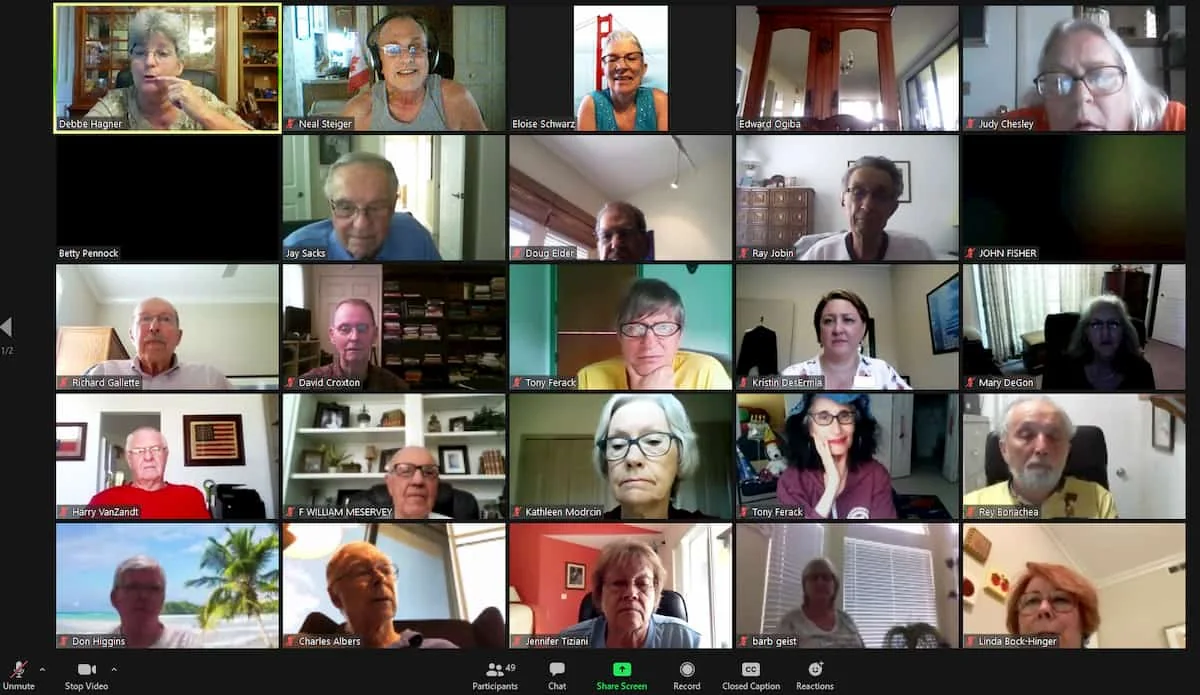
The first time most people walk into an HLAA chapter meeting, they meet a room of people who talk openly about the things they have been hiding: the misheard joke, the bluffing, the fear of the phone. Meetings are captioned so nobody has to strain, and nobody is embarrassed to ask for a repeat. Members trade practical fixes and, more important, the sense that this is a shared, manageable condition rather than a private failing.
HLAA-FL chapters meet around the state and online, and HLAA national runs virtual chapters and special interest groups, including a group for parents. You do not need to be a member to attend, and family and friends are welcome; they are carrying part of the load too.
Florida chapters and support groups · Virtual meetings · For family and friends
Finding a therapist who understands hearing loss
Any licensed Florida mental health professional can help, but therapy works better when you can follow it. Ask prospective therapists whether they offer captioned video sessions, whether they will face you and use a quiet room, and whether they have worked with clients who have hearing loss or tinnitus. Under the ADA, providers must communicate effectively with you, which can include captioning or an interpreter at no cost to you. HLAA-FL is compiling a list of Florida therapists experienced with hearing loss; ask your chapter for names in the meantime.
Your ADA right to effective communication · Recommend a therapist
Mental health and hearing loss questions
Does hearing loss cause depression?
Hearing loss does not cause depression by itself, but it raises the risk. The constant effort of following conversation leads to fatigue and withdrawal, and isolation is a strong predictor of depression in older adults. Treating the hearing loss, learning communication strategies and connecting with peers reduce that risk. If low mood lasts more than two weeks, talk with a doctor or therapist.
How do I reach 988 if I cannot hear on the phone?
You do not need to use your voice. Text any message to 988 to start a text conversation, chat online at chat.988lifeline.org, call 988 from a videophone to reach the service in ASL, or use your preferred relay service by dialing 711 and then 988. All options are free, confidential and available 24 hours a day. Text and chat are also available in Spanish.
Are there support groups for hearing loss in Florida?
Yes. HLAA-FL chapters meet in cities around Florida and online, with captioning, and are free and open to anyone with hearing loss and their families. HLAA national also runs virtual chapters and a Hear Together group for parents. Many members say the peer support did more for their outlook than any single piece of technology.
How do I stop feeling isolated with hearing loss?
Reduce the effort and increase the connection. Get your hearing devices fitted well, use captioning for phone and video, choose quiet, well-lit settings, and tell friends exactly what helps. Then find people who understand: an HLAA-FL chapter meeting is a low-pressure place to start. If isolation has turned into persistent low mood, add a therapist who offers captioned sessions.
Come to a meeting
Free, captioned and welcoming. Bring a family member if it helps. You will not be the only one who almost did not come.